Shadow art is a magical way to encourage creativity, sensory exploration, and motor-skill development in children.
For parents, caregivers, special schools, allied-health organisations, childcare centres, and disability support services in Melbourne’s western suburbs, it can be an accessible, fun, and therapeutic sensory play activity.
In this guide, we’ll show you how to set up shadow art play, materials you’ll need, adaptations especially helpful for special needs children, and the developmental benefits it brings.
What Is Shadow Art?
Shadow art is any creative activity that uses light and shadows to produce images, outlines or shapes. It may involve tracing shadows cast by objects (hands, toys, cut-outs), creating silhouette collages, or arranging translucent shapes to cast colourful shadows. It’s simple to set up, adaptable, and ideal for sensory play and therapeutic sensory play contexts.
Why Use Shadow Art with Special Needs Children?
Shadow art gives you a way to:
- Provide sensory-rich engagement (visual contrast, light/dark transitions, movement of shapes).
- Support fine motor skills (manipulating objects to cast and trace shadows).
- Encourage hand-eye coordination and spatial awareness.
- Nurture creativity, imagination and problem-solving.
- Offer a calming, focused activity that can be tailored to sensory needs.
- Be flexible in complexity to match developmental levels or attention span.
Because it’s low-cost and highly adaptable, shadow art fits well within a person-centred care approach in settings that support special needs children. It complements other sensory play disability support programs, and can be used one-on-one or in group sessions.
Materials You’ll Need
Here’s a simple list to get you started:
- A strong light source (desk lamp, LED torch, overhead projector).
- A plain wall or projection surface (white or lightly coloured).
- Paper (plain white, coloured, tracing sheets), large paper, or poster board.
- Pencils, markers, or chalk for tracing.
- A range of objects to cast shadows (toys, animal figurines, hands, cut-outs, leaves, craft shapes).
- Optional: coloured acetate sheets, translucent materials, tracing film.
- Tape or clips to hold paper in place.
- A flat table or surface for arranging objects.
- Camera or tablet (optional) to take photos of the shadows.
If doing this activity in a childcare centre or special school environment in the Melbourne Western Suburbs, you may want to source materials locally.
Setting Up Shadow Art Play — Step by Step
- Choose Your Space:
Select a quiet corner or room with dimmable light, or where you can control lighting. You might use a dedicated sensory room or quiet room in a special school or allied health centre. - Position the Light Source:
Place a desk lamp or projector so it casts a clear shadow onto a wall or screen. Make sure it’s stable and safe. For younger children or children with mobility needs, ensure cables are out of the way and height is adjustable.
- Arrange Your Surface:
Tape or clip paper to the wall, poster board, or use tracing film. You might also use a portable frame or board leaning against the wall. - Select Objects to Cast Shadows:
Start with simple shapes such as hands or cut-outs. Then progress to 3D toys, animals, or translucent coloured shapes for more complex shadows. - Demonstrate the Activity:
Show the child how moving an object closer or further from the light changes the size and sharpness of the shadow. Encourage exploration — e.g., “What happens if I hold my hand closer? What if I tilt it?” - Trace & Decorate:
Once they like a particular shadow, trace around it with a pencil, marker, or chalk. Then allow them to colour inside or outside the outline, embellish with patterns or textures, or decorate with craft materials. - Make It Dynamic:
You can animate the shadow by moving objects slowly, or have two children move pieces to create a collaborative silhouette. Try layering shadows by overlapping shapes or different heights. - Photograph & Reflect:
Optionally, take a photo of their shadow drawings and print them out. Talk about how the shadow moved, changed shape, or became larger/smaller. This can extend the activity into a mini-discussion or sensory narrative.
Adaptations for Children with Special Needs
To ensure this activity is truly inclusive and meets the special needs of children, you may consider these adaptations:
Visual Supports & Communication
- Use picture cards or visual step-by-step guides to explain the process.
- Use simple language and model each step slowly.
- For children with limited verbal communication, offer choices (e.g., “Do you want the rabbit or the car figurine next?”).
Motor Skills & Physical Access
- Position the light source and objects at an accessible height (table top or wall low enough for children in wheelchairs).
- Use larger, easy-grasp objects to cast shadows (chunky figurines, or mount shapes on sticks or rods).
- Stabilise tracing surfaces with non-slip mats or Velcro to prevent slipping.
Sensory Considerations
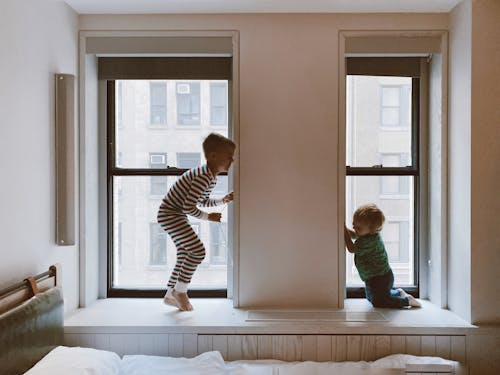
- Adjust lighting intensity — soft diffused light may be more comfortable for children sensitive to glare.
- Provide weighted or textured objects to handle for children who seek proprioceptive feedback.
- Keep the duration appropriate to attention span; break into shorter sessions if needed.
Cognitive & Engagement Supports
- Scaffold the activity by guiding hand-over-hand initially, then gradually fade support as confidence grows.
- Offer templates of shadow shapes they might like to replicate (animals, letters, familiar objects).
- Encourage turn-taking in group sessions, and perhaps pair older or more confident children with younger or less-experienced ones.
Social & Emotional Supports
- Celebrate their traced artwork by mounting it on a board or displaying it in the sensory play
- Use praise and verbal encouragement tied to effort (“I noticed how you held that toy very still so the shadow stayed sharp!”).
- Incorporate the child’s interests—for example, shadows of favourite animals, vehicles, or characters.
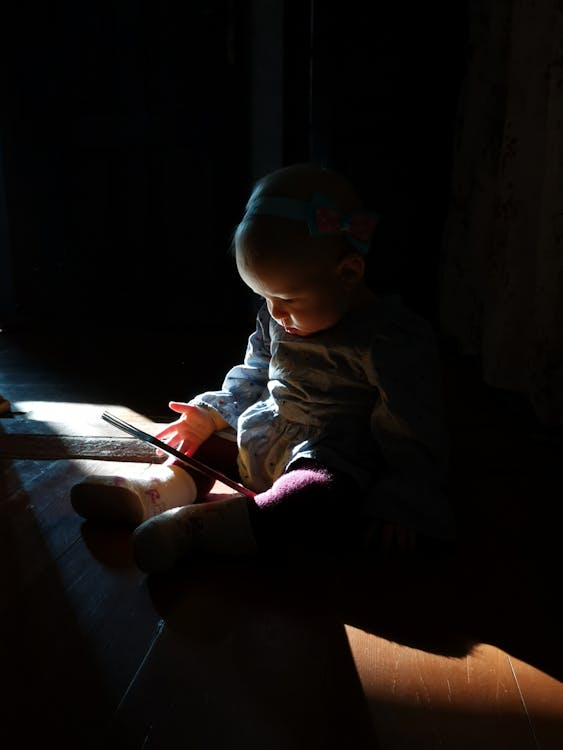
Benefits of Shadow Art for Creativity & Motor Skills
Here are some of the main developmental and therapeutic benefits:
- Improved Fine Motor Control:Tracing outlines demands steady hand movement, spatial awareness, and coordination.
- Hand-Eye Coordination:Aligning an object to cast a shadow where you want and tracing it builds coordination.
- Spatial Reasoning & Visual Perception:Understanding how distance changes shadow size or shape encourages problem-solving related to geometry and spatial concepts.
- Sensory Integration:Light, shadow, movement, and tactile feedback engage multisensory pathways — excellent for therapeutic sensory play.
- Emotional Expression & Confidence:By creating a piece of art they can see and touch, children feel agency and pride in their creation.
- Creative Thinking & Imagination:Shadow art encourages children to invent new shapes, combine objects, and tell stories through silhouettes.
- Social Skills:In a group or classroom environment, children can share ideas, wait their turn, and collaboratively build a “shadow story”.
These benefits align well with sensory playgrounds in Melbourne and broader sensory play disability support goals. Regular sessions of shadow art within a sensory-rich program can complement gross-motor play, tactile exploration, and other allied-health supports.
Example Activity Ideas You Can Run in Melbourne’s Western Suburbs
Here are a few themed ideas suited to schools, centres or home settings in the western suburbs:
- “Shadow Zoo”: Use animal figurines to cast shadows and trace a “zoo scene.”
- “Letter Shadows”: Cut out alphabet shapes, trace shadows, and decorate with stickers or textures.
- “Story Silhouettes”: Two children use cut-outs to create a mini story on the wall – e.g. a dog walking under a tree – and trace, colour and narrate.
- “Colour-Overlay Shadow Art”: Use coloured acetate sheets or transparent coloured film in front of the light to cast tinted shadows; trace onto paper and experiment with overlays.
- “Family Hand-Shadow Portraits”: Siblings or parent and child place hands side by side to cast overlapping hand-shadows and trace them, decorating with patterns unique to each person.
Tips for Parents, Carers & Allied Health Providers
- Start simple — you don’t need fancy equipment. A basic desk lamp and toys will do.
- Incorporate shadow art into regular sensory-play programming or occupational-therapy sessions.
- Document progress: keep a portfolio of traced shadow art over weeks, and review how motor control or engagement changes.
- Work in partnership with your child’s interests when designing sessions (person-centred care).
- Collaborate with local sensory play centres, special schools or disability-support organisations to run group workshops.
If you’re based in Melbourne’s western suburbs and you’re looking for one-on-one support for sensory play in Melbourne, or want to run regular sensory-rich creative sessions, work with centres that understand therapeutic sensory play and inclusive practice.
If you’re looking for a friendly, inclusive space for your child with special needs to explore shadow art or other sensory-rich activities, get in touch.
At Sensory Play Centre, we’ve created an inclusive space for children with special needs. Our sensory playground in Melbourne’s western suburbs offers one-on-one support for sensory play and therapeutic sensory play sessions tailored to your child’s needs.
At our sensory play centre, we provide inclusive therapeutic sessions and disability support through person-centred care. Join us to help your child grow confidence, creativity, and joy through playful exploration. Contact us to arrange a session or visit our sensory play centre.