Sensory play for babies is more than just fun — it’s a powerful way to stimulate brain development, support early learning, and lay the foundations for future skills.
For families and caregivers in Melbourne’s western suburbs, adopting therapeutic sensory play within daily routines can support babies (including those with special needs) through person-centred care.
In this post, you’ll learn why sensory play matters, which activities to try, how to integrate them step-by-step, and where you can access sensory play centre support in Melbourne.
Why Sensory Play Matters for Babies’ Brain Development
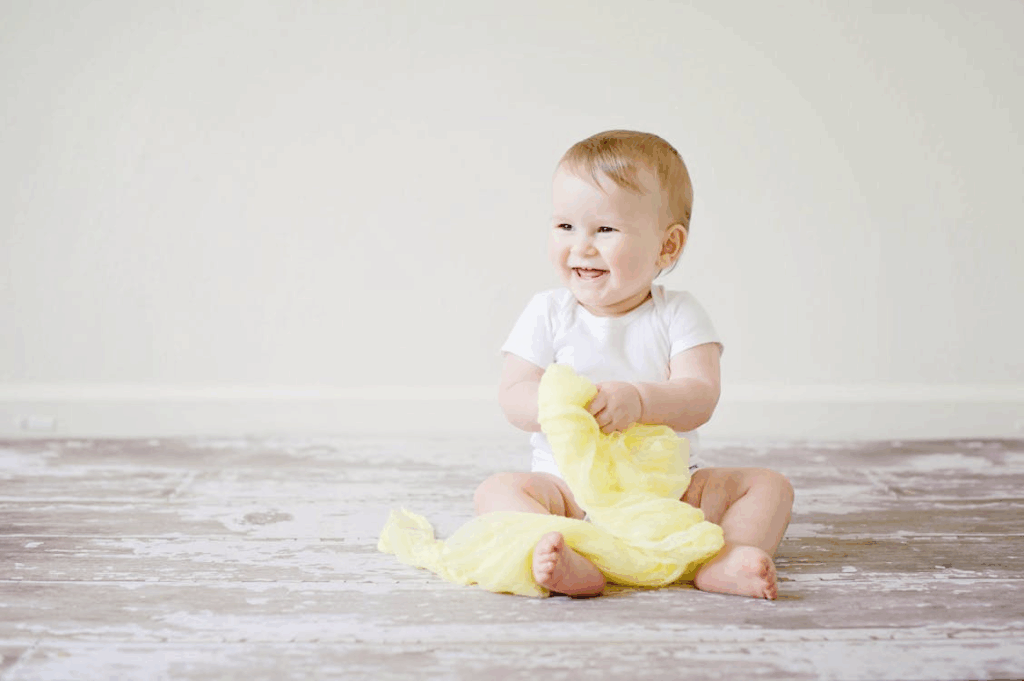
From infancy, babies’ brains are forming trillions of connections.
Every time they touch, see, hear, taste, or move, neural pathways are shaped, strengthened, or pruned. Sensory play (and particularly therapeutic sensory play) helps accelerate that process in an engaged, responsive way.
The Critical period of brain plasticity — In the first year or two, babies’ brains are highly malleable. Stimulating multiple senses together helps establish more robust neural networks.
Cross-modal integration — When a baby touches a textured block while looking at it and hearing a sound (e.g., crinkle), the brain learns to link input from different senses, boosting coordination, perception, and later learning.
Self-regulation & emotional development — Sensory play can help babies gradually learn to manage excitement or discomfort (e.g., loud noises, new textures) in a safe environment. This forms early emotional resilience.
Foundations for motor, language & cognitive skills — Exploration through touch, movement, vision, and sound underpins crawling, reaching, babble, imitation, and eventually speech and problem-solving.
For babies with special needs, or those who may have developmental delays, therapeutic sensory play is especially valuable — it offers repeated, playful exposure to stimuli that might otherwise be overwhelming or less accessible, within a person-centred care approach that tailors to their pace and preferences.
Key Principles of Sensory Play for Babies in Person-Centred Care

When planning sensory play activities for babies (including those with additional needs), it’s helpful to keep a few guiding principles in mind:
Start with safety and comfort
Ensure the environment is baby-safe: surfaces are clean, materials non-toxic, floor soft or padded, and textures are age-appropriate.
Follow the baby’s cues
If they turn their head away, fuss or withdraw from a texture or sound, pause. A person-centred care approach means adjusting intensity or modality in response to their comfort level.
Engage multiple senses gradually
Begin with tactile or visual stimuli; gradually layer in gentle sound or movement as the baby becomes comfortable.
Repeat and vary
Consistent repetition helps solidify neural pathways. Vary materials so the brain continues to form rich connections, but maintain enough predictability to avoid overwhelming the baby.
Embed into everyday routines
Sensory play doesn’t always require dedicated time: integrating it into bath time, meal time, and daily carry offers more frequent, real-world exposure.
Progressively challenge
As the baby becomes more capable (reaching, grasping, sitting), gradually increase complexity — e.g., moving from soft fabric to different temperature water, from still objects to light movement or vibration.
Step-by-Step Sensory Activities for Babies
Here are some simple yet powerful sensory play ideas for babies, designed to strengthen neural pathways at every stage of development. These activities can be easily adapted for children with special needs and implemented at home, in childcare settings, or at a sensory play centre in Melbourne.
0–6 Months: Building Early Awareness
At this stage, babies are discovering their senses and beginning to make connections between touch, sound, and movement. Focus on gentle, calming sensory play that encourages curiosity and body awareness.
Tummy-time sensory mats: Lay your baby on a soft mat with a variety of textures—like satin, fleece, and crinkly panels. This strengthens neck and back muscles while providing tactile and visual stimulation.
Crinkly fabric exploration: Offer baby-safe, food-grade materials that make gentle sounds when touched. This activity helps babies develop fine motor control and sound discrimination.
Water play: Use a shallow tray filled with warm water and soft sponges. Gently splash their hands or feet to introduce temperature and texture changes safely.
6–12 Months: Strengthening Coordination and Exploration

As your baby begins to sit, crawl, and grasp objects, sensory play becomes a way to connect motion with perception. These activities help improve hand-eye coordination and cause-and-effect understanding.
Sensory busy boards: Create or purchase a board featuring switches, textures, mirrors, and small bells. Encourage your baby to explore with their hands under supervision—this promotes fine motor skills and problem-solving.
Messy play with edible materials: Use safe, edible substances like mashed vegetables, yoghurt, or soft fruits. Allow your baby to squish and smear these textures while describing what they’re touching to enhance both language and sensory development.
Sound-and-touch boxes: Fill a small box with sensory items like fabric, bells, and smooth wood. Let your baby explore each sound and texture, stimulating both tactile and auditory pathways.
12–24 Months: Encouraging Movement and Independence
During this stage, babies begin to move more confidently, developing coordination, balance, and spatial awareness. Sensory play becomes more active and interactive.
Weighted or vibrating toys: Soft vibrating cushions or weighted toys provide proprioceptive input—helping your child understand where their body is in space and promoting calmness and focus.
Mini obstacle courses: Use cushions, tunnels, and low blocks to create a fun crawling course. Encourage your baby to climb, crawl, and reach. This enhances gross motor skills and supports neural development related to spatial reasoning.
Cooking-inspired sensory bins: Fill bins with rice, pasta, or herbs and provide scoops and small containers. Babies can explore textures, smells, and sounds while practising grasping and hand coordination.
Adapting Sensory Play for Special Needs Children
Therapeutic sensory play can be highly beneficial for children with special needs, helping them process sensory input and develop cognitive and emotional skills at their own pace.
Start slowly: Keep sessions short, just a few minutes at first, and gradually increase time as your baby becomes comfortable.
Provide deep pressure or weighted items: For children who are sensory-seeking or easily overstimulated, gentle pressure can help calm and regulate responses.
Offer choices: Encourage participation by letting your child select which activity to do. This fosters independence and supports person-centred care.
Collaborate with allied-health professionals: Work with occupational therapists or physiotherapists who can personalise sensory activities to match your child’s developmental goals.
Track responses: Keep a simple log of activities, reactions, and mood changes to see which sensory experiences are most beneficial.
Integrating Sensory Play into Daily Routines
One of the best ways to ensure consistency and impact is by embedding sensory play naturally into your day. Here’s how you can weave it into everyday baby life in Melbourne’s western suburbs homes or childcare settings:
Morning – Wake-Up & Feeding Time
Hang a mirror or textured fabric panel near the change table or cot, so the baby can touch or see it during morning change or diaper.
Place a soft sensory toy near the feeding chair: allow the baby to graze its texture while you prepare feed bottles or breakfast.
Bath Time
Use wash cloths with different textures (terry cloth, smooth satin, silicone scrubbers). Let the baby feel differences while being bathed.
Add floating sensory toys that make soft sounds (water-safe bells or crinkly textures) for splash play.
Playtime & Naps
Swap out plain mats for sensory mats with embedded textures, sounds, or visual contrasts when the baby is placed on their blanket or play-gym.
Before naps or sleep, allow a short, calm, textured brushing routine (e.g., soft silicone brush on arms or back) to help self-regulation.
Meal Time
Place baby-safe textured placemats or tray mats under bowls to provide tactile feedback as the baby reaches or grasps.
Offer finger foods with different textures (soft cooked veg vs. smooth fruit puree vs. gentle chew shapes) and name them aloud to support sensory–language links.
Outings & Travel
Pack a small sensory bag for buggy or car: a soft taggie cloth, textured teether, perhaps a small squeeze-toy that rattles.
At stroller stops (e.g., parks or playgrounds), pause and let baby touch tree bark, grass, or textured seating under supervision — integrating outdoor sensory connection to your local Melbourne western suburbs environment.
Childcare or Early Intervention Settings
Speak with the centre about including sensory-friendly corners: low shelves with sensory toys, a small mat with textured surfaces, gentle vibrating cushions, or a quiet corner with soft lighting.
Encourage childcare educators or allied-health providers to embed short one-on-one sensory play sessions into routines (feeding time, rest time, or group play rotation).
Monitoring Progress & Adjusting the Activities
To ensure sensory play is effective and tailored to your baby’s growth:
Keep a simple journal or log
Track date, type of sensory activity, baby’s mood (happy/curious/fussy), duration, and any change in response over days/weeks.
Watch for developmental signs
Are they reaching more confidently? Holding objects longer? Smiling, vocalising, or interacting with texture/sound more? Crawling towards toys? Each may reflect strengthening neural pathways.
Adjust intensity
If the baby seems bored or overstimulated, shift texture intensity, reduce or increase movement, or change the timing of activities.
Collaborate with professionals
Share your log with your allied-health therapists, or childcare staff — they may suggest stepping up or modifying activities consistent with your baby’s individual developmental goals (person-centred care).
Sensory Play Centres and One-on-One Support in Melbourne’s Western Suburbs
If you’re looking for specialist facilities that focus on sensory play, several centres in Melbourne offer sensory playgrounds and therapeutic play environments. Some focus on inclusive play for babies and children with special needs, and may offer one-on-one support and sensory play in Melbourne.
Why Use a Sensory Play Centre?
- Access to a sensory-rich environment designed with a variety of textures, lights, vibration zones, safe movement spaces, and trained staff.
- Opportunities for peer observation (sharing space with other babies or children) support social-emotional development.
- Expert guidance from staff experienced with special needs children, able to customise sessions under a person-centred care philosophy.
- Regular sessions or memberships can reinforce consistency of therapeutic sensory play beyond what’s practical at home.
How to Choose the Right Centre in Melbourne’s Western Suburbs
When evaluating options near you, consider:
- Location (proximity to your suburb in Melbourne West)
- Whether they provide inclusive facilities for children with special needs
- Whether they offer one-on-one support and sensory play sessions
- Whether they embedtherapeutic sensory play aspects (e.g., liaising with allied health)
- Their approach to person-centred care, staff training, hygiene, accessibility, and scheduling flexibility (weekends, school-day hours)
Connect with Sensory Play Centre Today
At Sensory Play Centre — located to serve the Melbourne Western Suburbs communities — we’ve created an inclusive space for children with special needs. Our sensory playground in Melbourne is designed to nurture growth, confidence, and joyful exploration. If you’re seeking one-on-one support for sensory play in Melbourne, our Centre offers tailored sessions in a sensory-rich environment underpinned by person-centred care.
We welcome parents, caregivers, allied-health professionals, special schools, and childcare centres to connect with us. Whether you’re after drop-in play, structured sessions, or collaboration with therapists, Sensory Play Centre can help you build your child’s neural pathways through playful exploration.
Ready to see sensory play in action?
Contact us at Sensory Play Centre today to book a visit or schedule a one-on-one support session. Experience therapeutic sensory play in a nurturing environment tailored to your baby’s needs.