What if the messiest moments in childhood are also some of the most valuable? Pouring, squishing, sorting and touching may look like simple fun, but these activities can support how children learn, communicate and respond to the world around them. In Australia, 23.5% of children starting full-time school were classified as developmentally vulnerable in at least one domain in 2024.
At Sensory Play Centre, we provide purposeful opportunities for children to learn through their senses, including inclusive sensory play in Melbourne West and programmes designed to support children with different needs.
This guide explains why sensory play matters, from motor development and learning to emotional regulation and social connection.
More Than Messy Fun
Sensory play involves activities that engage touch, sight, sound, movement, smell or even taste. These experiences give children opportunities to process information while actively participating in play.
Rather than simply keeping children occupied, sensory activities can support:
- Fine and gross motor skills
- Hand-eye coordination
- Problem-solving and concentration
- Communication and social interaction
- Confidence when trying unfamiliar activities
- Awareness of different textures, sounds and movements
The value comes from the active participation. A child scooping rice, for example, is practising grip, coordination and controlled movement while making choices and responding to what they feel.
Supporting Emotional Regulation
Children can experience the world intensely, particularly when they are tired, overwhelmed or surrounded by unfamiliar sights and sounds. Sensory activities can provide predictable experiences that help children focus their attention and regulate their responses.
For some children, repetitive movements such as pouring, squeezing or pushing can be calming. Others may benefit from activities that provide different levels of tactile or movement-based input.
This is particularly relevant when considering NDIS sensory play, where carefully planned activities can complement a child’s broader support needs.
Building Skills Through Choice
One reason sensory play can be effective is that children can often participate at their own pace.
A child may:
- Watch before joining in.
- Touch an activity briefly.
- Repeat a movement several times.
- Experiment with different materials.
- Play alongside or with other children.
There is no single correct way to participate. This flexibility can make sensory play valuable for children of all abilities, including special needs children.
Why Sensory Play Deserves a Bigger Role
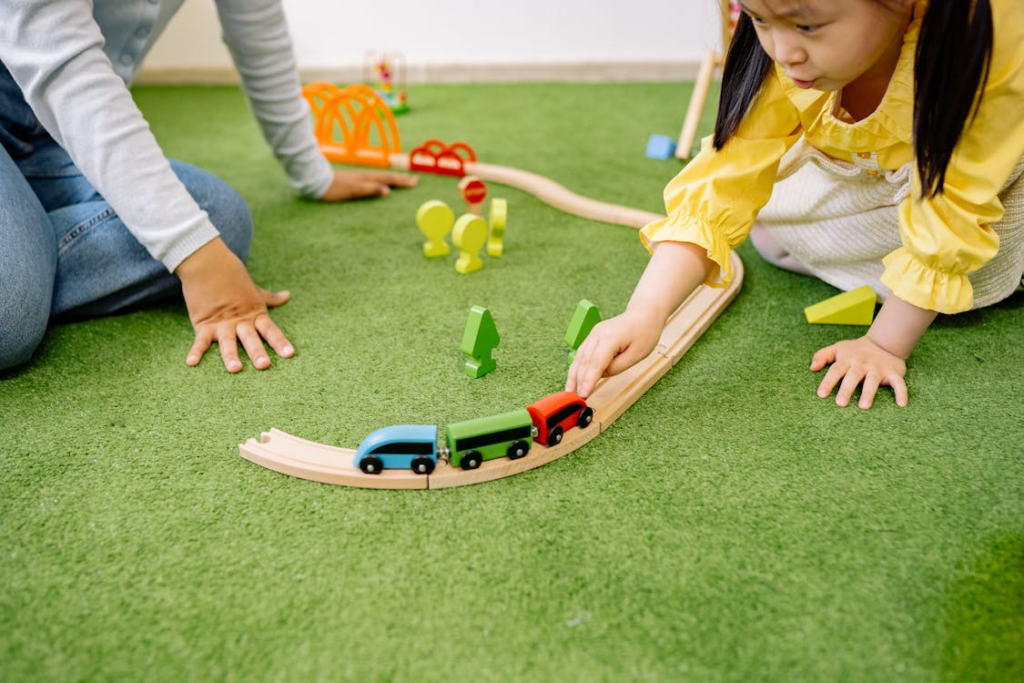
The benefits of sensory experiences extend beyond the play session itself. Regular opportunities to practise movement, attention, communication and self-regulation can support skills children use at home, at school and in social settings.
This is one reason sensory programmes can be especially useful during school breaks. School holiday sensory programs in Melbourne can give children structured opportunities to remain active, engaged and connected when their usual routines change.
Giving Sensory Play the Attention It Deserves
So, why sensory play matters becomes clearer when we look beyond the mess. It gives children meaningful ways to practise skills, respond to sensory input and build confidence through hands-on experiences.
At Sensory Play Centre, we bring these opportunities together through an inclusive NDIS play centre in Ravenhall, with experiences designed around participation, learning and regulation.
For Melbourne West families seeking inclusive sensory play, we welcome you to contact us and learn how our sensory play sessions and programmes can support your child’s individual needs.